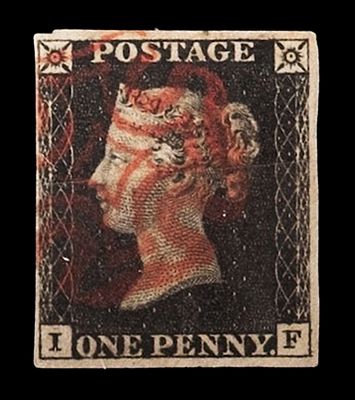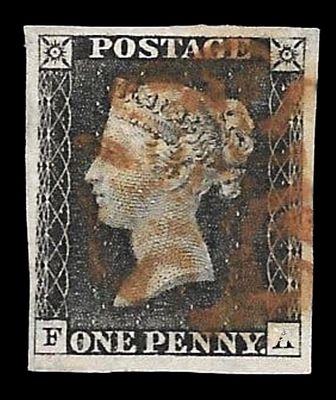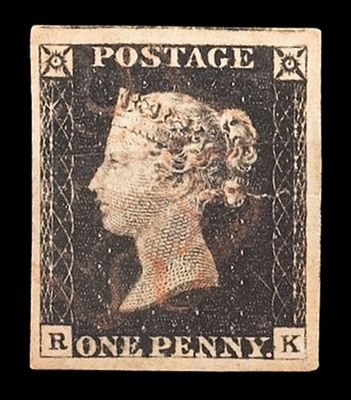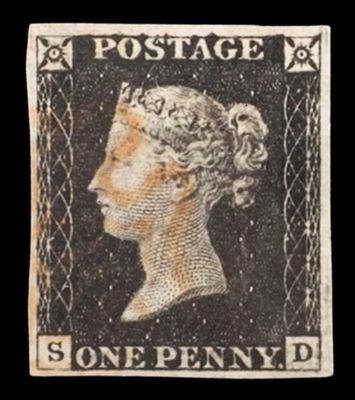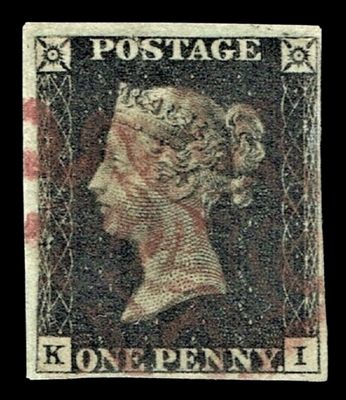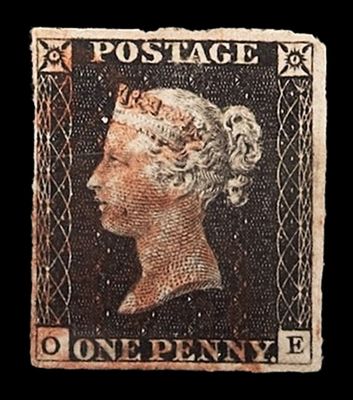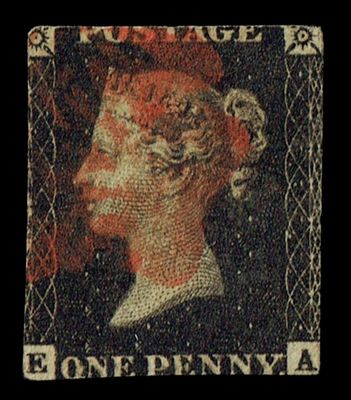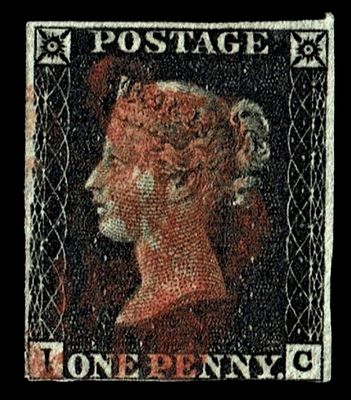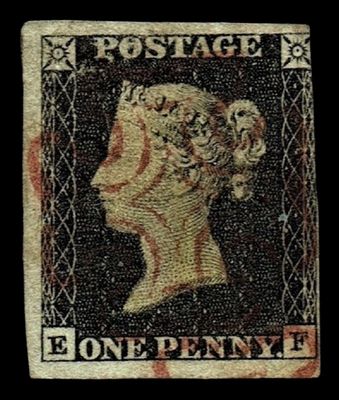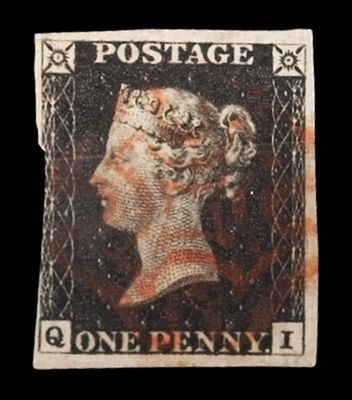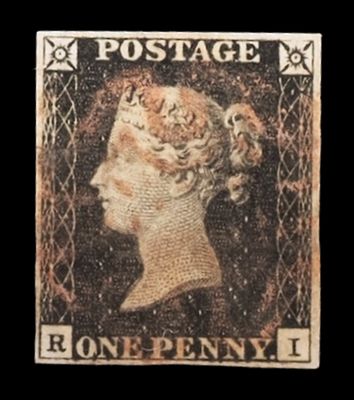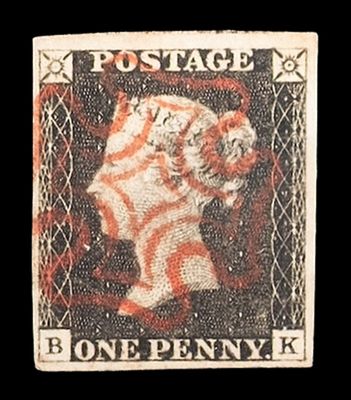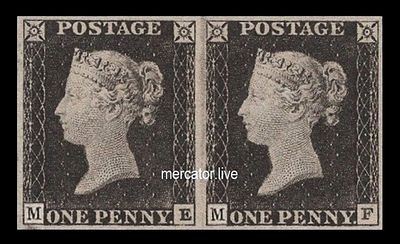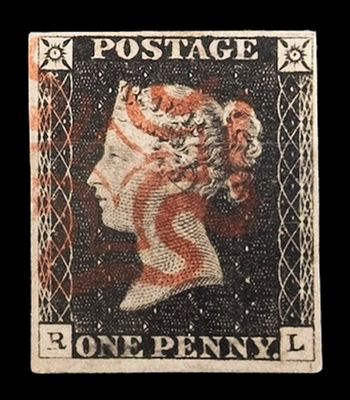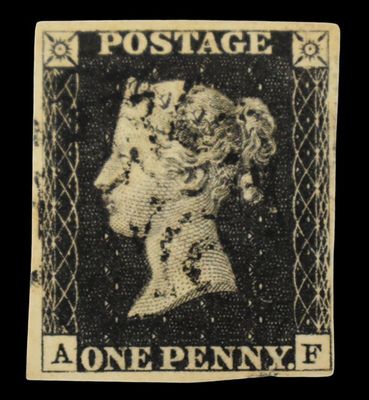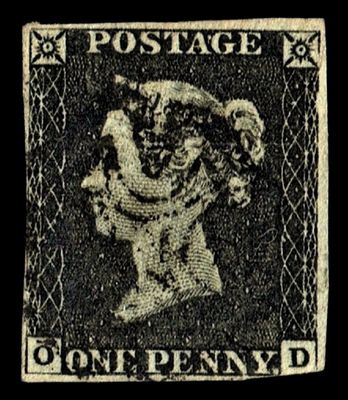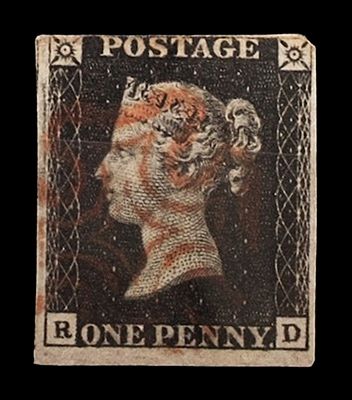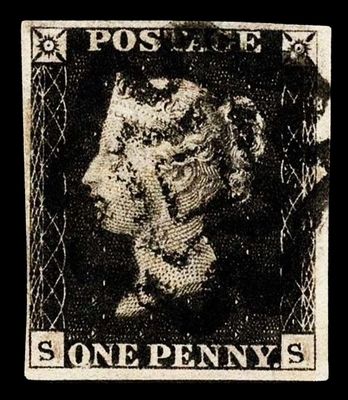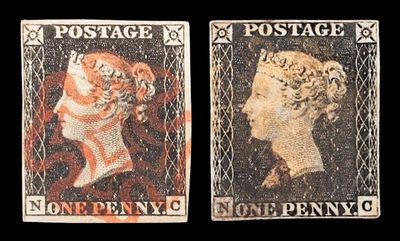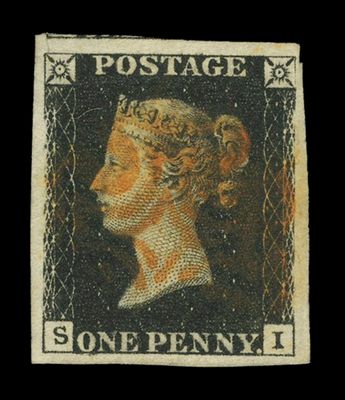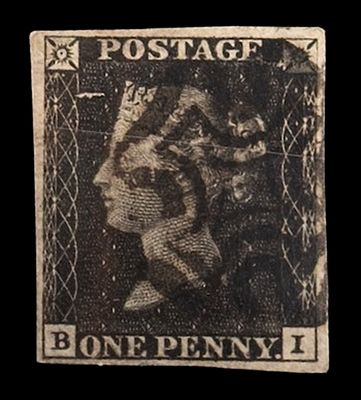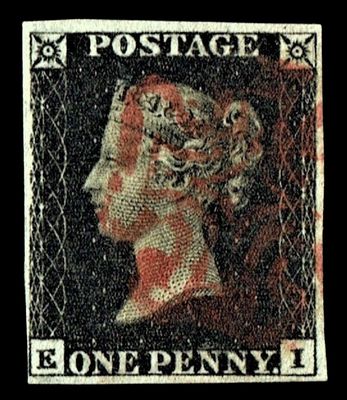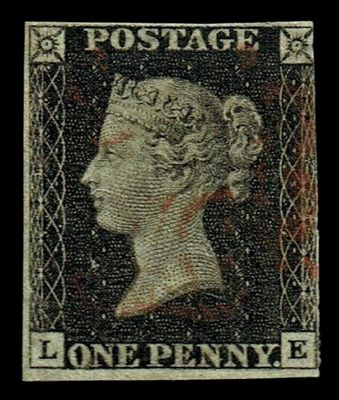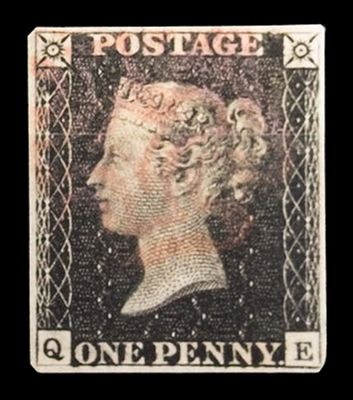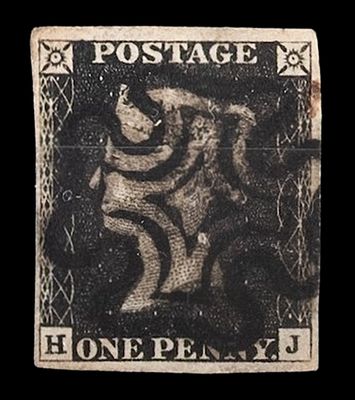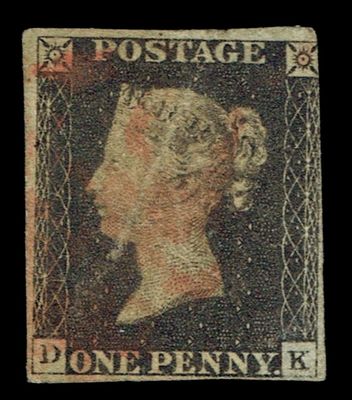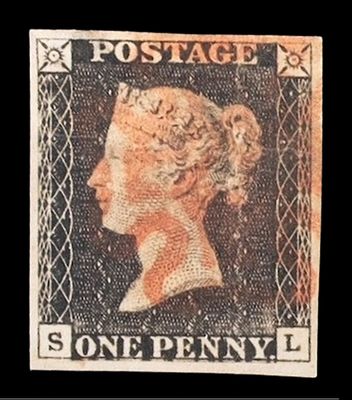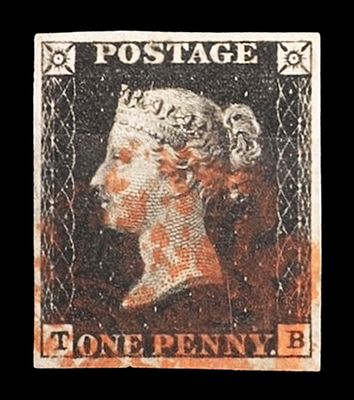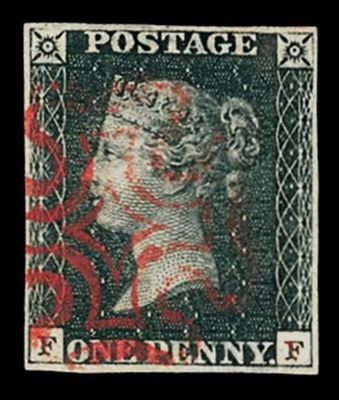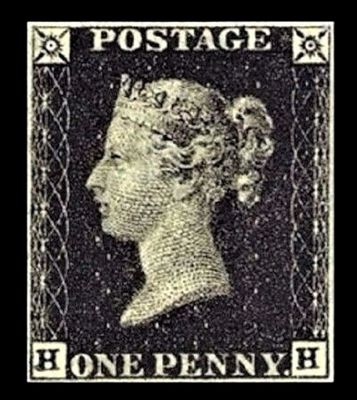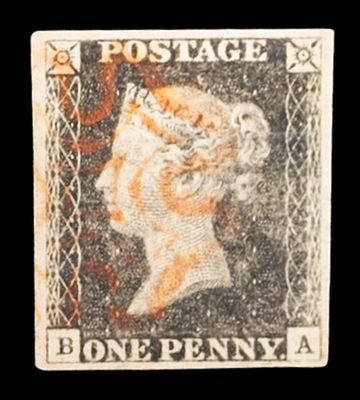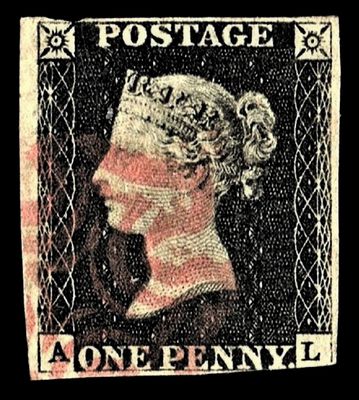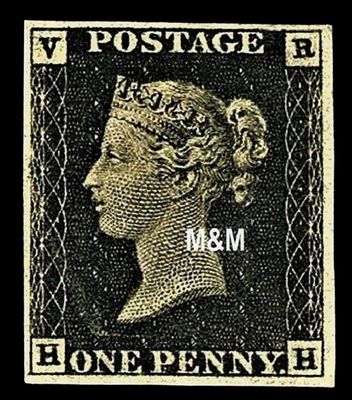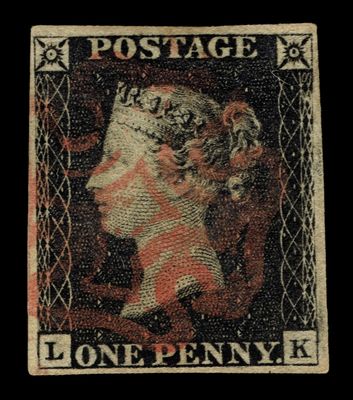
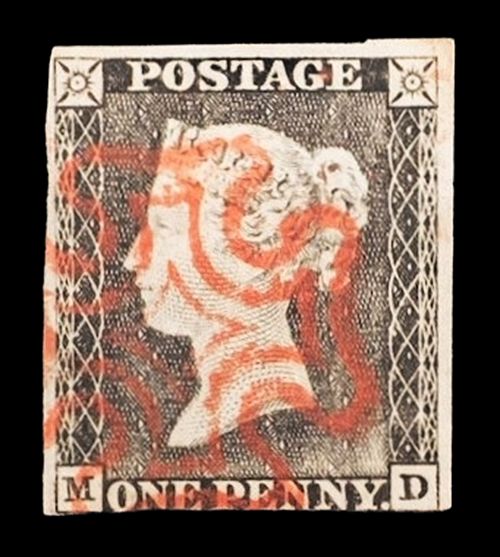
GB QUEEN VICTORIA 1840, 1d GREY-BLACK, Plate 1a, M-D, WORN PLATE
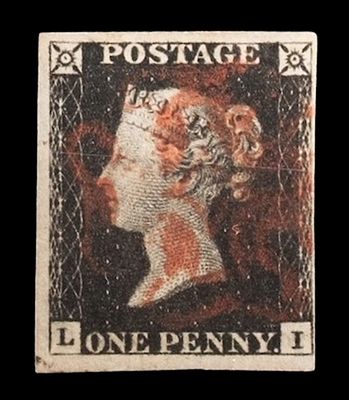
ABOUT THE STAMP
Characteristics of Plate 1a: This was the first of two states for Plate 1. Stamps from this plate are technically the "world's first" from the original master plate. 1d Grey-Black (Plate 1a) is a highly sought-after philatelic variety, specifically classified as Stanley Gibbons (SG) 3. This "greyish" shade is characteristic of the first printing plate (Plate 1a) before it was hardened, which caused the plate to wear quickly and produce less intense, "worn" impressions.
Worn Plate (Grey-Black): Unlike the "Intense Black" (SG1) or "Black" (SG2), the Grey-Black (SG3) variety shows moderate to heavy plate wear, resulting in a lighter, greyer appearance.
Corner Letters : The letters M (left) and D (right) indicate the stamp's specific position on the 240-stamp sheet.
Alphabet 1: Plate 1a uses "Alphabet 1" for its corner letters, characterized by specific shapes such as an acutely angled 'L' in the horizontal row.
Colour Variations: While officially "Black," early printings from Plate 1a are often found in "Intense Black" or "Grey-Black" shades.
Identifying Plate 1a (S-L): This specific plate could be identified through "plating" marks - tiny flaws or characteristics unique to that plate such as:
Wear: Plate 1a was made of unhardened steel and showed signs of wear quickly, leading to "Grey-Black" appearances.
The Ray Flaw: While a specific "7 o'clock ray flaw" helps identify Plate 11, Plate 1a is generally distinguished by the absence of repairs (re-entries) that were later applied to Plate 1b.
4 Margins: For collectors, "4 margins" means the stamp has been cut clear of the design on all four sides, significantly increasing its value compared to examples with "cut into" or "touching" edges.