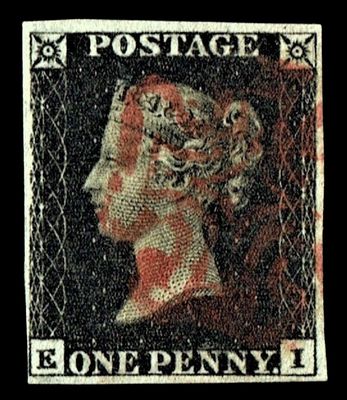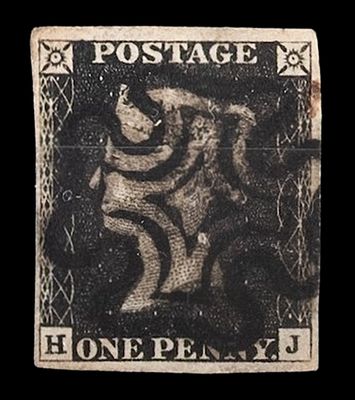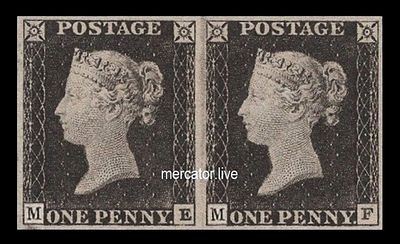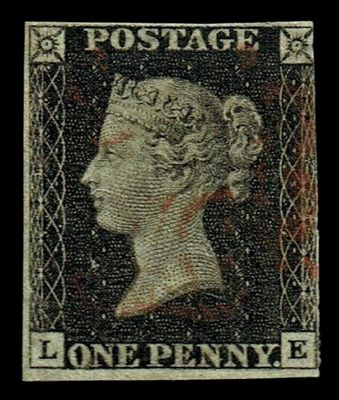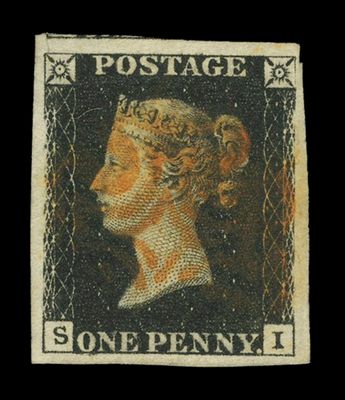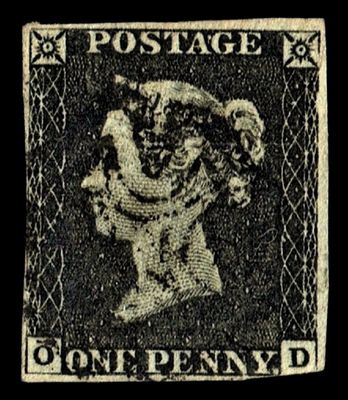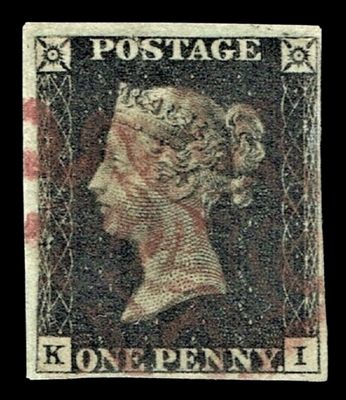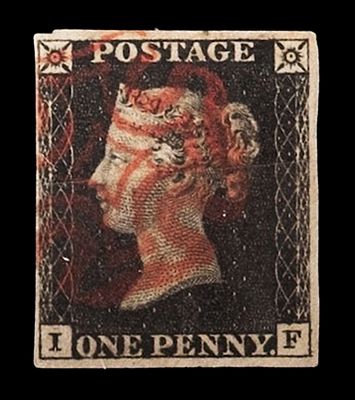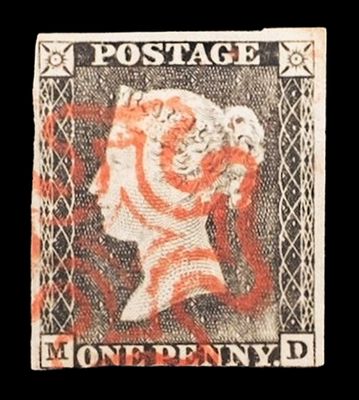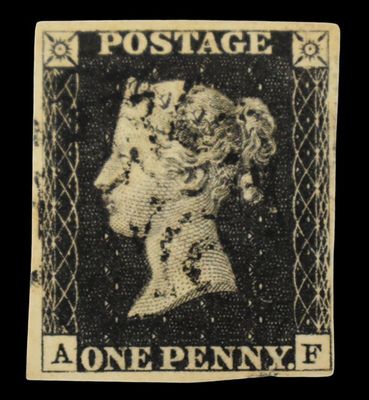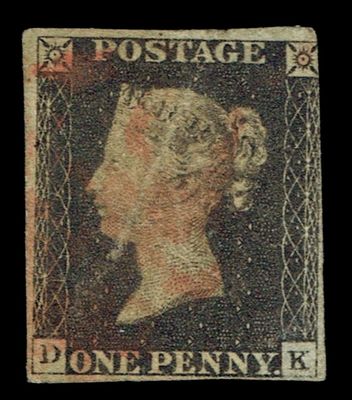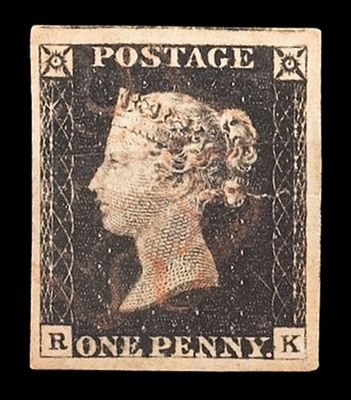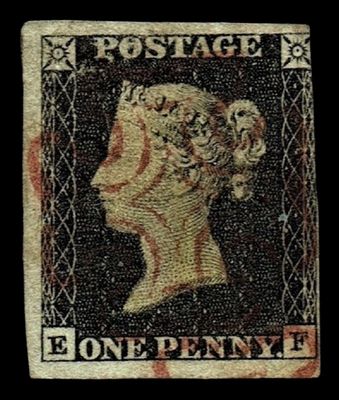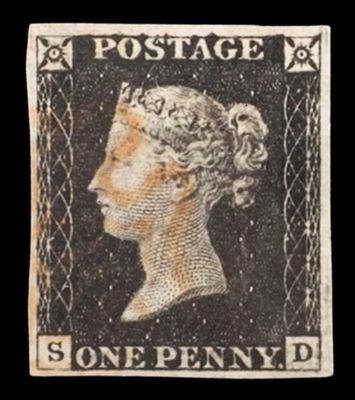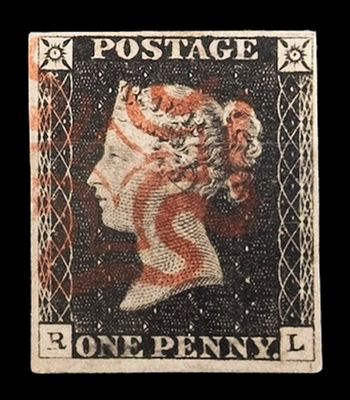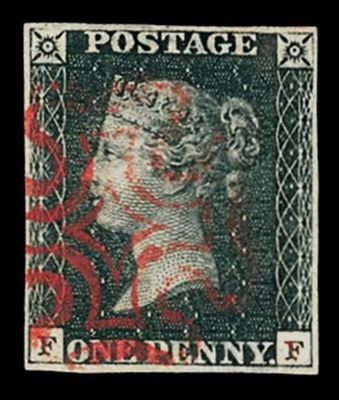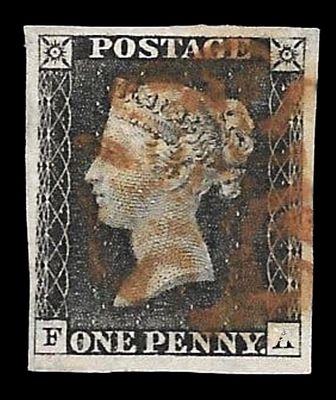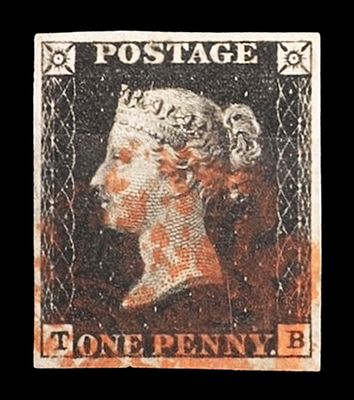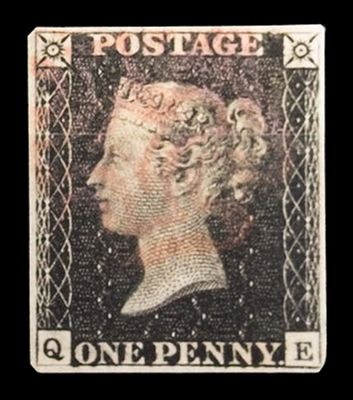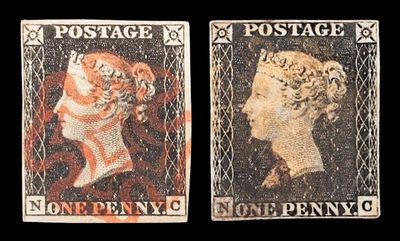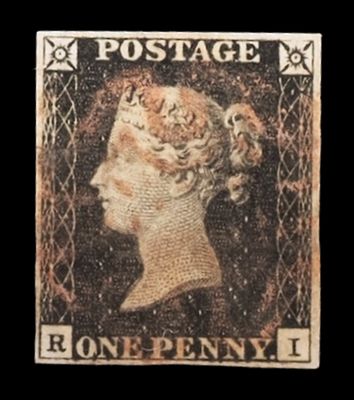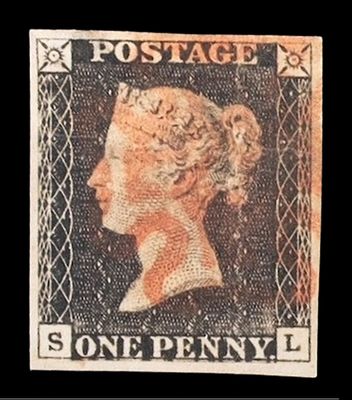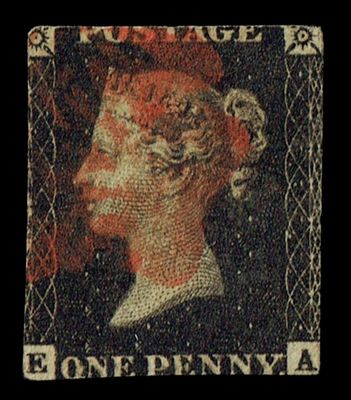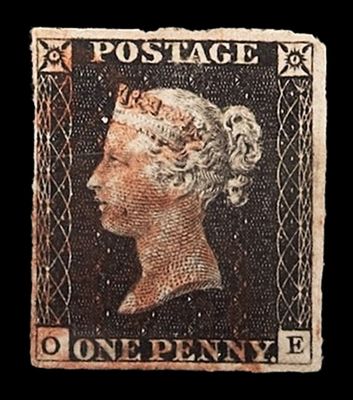

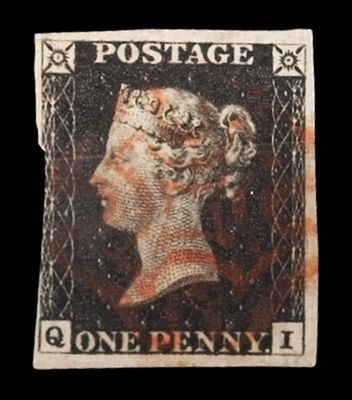
GB QUEEN VICTORIA 1840, 1d BLACK PENNY, PLATE 1b, RE-CUT, 4 MARGIN, BI, MALTESE CROSS
ABOUT THE STAMP
The 1840 1d Black Penny from Plate 1b with corner letters BI is a significant philatelic item representing the world's first adhesive postage stamp. Plate 1b is the "re-entered" or repaired state of the original Plate 1a, which had worn down rapidly due to being used in an unhardened state.
Main Characteristics:
Plate 1b (Re-entry): This state was created after extensive renovation of Plate 1a. Stamps from this plate are distinguished by specific "ray flaws" in the North West (NW) corner stars.
Plate 1a characteristic: Typically shows a "5 o'clock ray flaw".
Plate 1b characteristic: Typically shows a "7 o'clock ray flaw" and a "10 o'clock ray flaw".
Corner Letters "BI": These letters indicate the stamp's position on the original sheet of 240. "B" refers to the second row, and "I" refers to the ninth column. For Plate 1b, the letter "B" was often misplaced low and to the left in the square.
Cancellation: The Maltese Cross was the standard cancellation used; initially in red ink, then later changed to black to prevent reuse.
Condition (4 Margins): Having four clear margins—meaning the stamp was cut from the sheet without clipping the design—is a critical factor in its collectability and value.